

Early childhood is one of the most critical stages of human development. During these formative years, children develop essential cognitive, emotional, social, and physical skills that shape their future. At the heart of this crucial phase is the Early Childhood Educator (ECE)—a professional dedicated to nurturing young minds and laying the foundation for lifelong learning.
This in-depth guide explores everything you need to know about early childhood educators, including their roles, responsibilities, required skills, qualifications, career opportunities, challenges, and long-term impact. Whether you are considering a career in this field or simply want to understand its importance, this article covers it all.
Who Is an Early Childhood Educator?

An Early Childhood Educator is a trained professional who works with young children, typically from birth to eight years old. Their primary goal is to support children’s development through age-appropriate learning activities, emotional guidance, and structured play.
ECEs work in various settings, including preschools, daycare centers, kindergartens, early learning centers, and sometimes private homes. They play a vital role in helping children build foundational skills such as communication, problem-solving, creativity, and social interaction.
Importance of Early Childhood Education
Early childhood education is widely recognized as a cornerstone of personal and academic success. Research shows that children who receive quality early education are more likely to perform well in school, develop strong social skills, and maintain emotional stability.
Key Benefits of Early Childhood Education
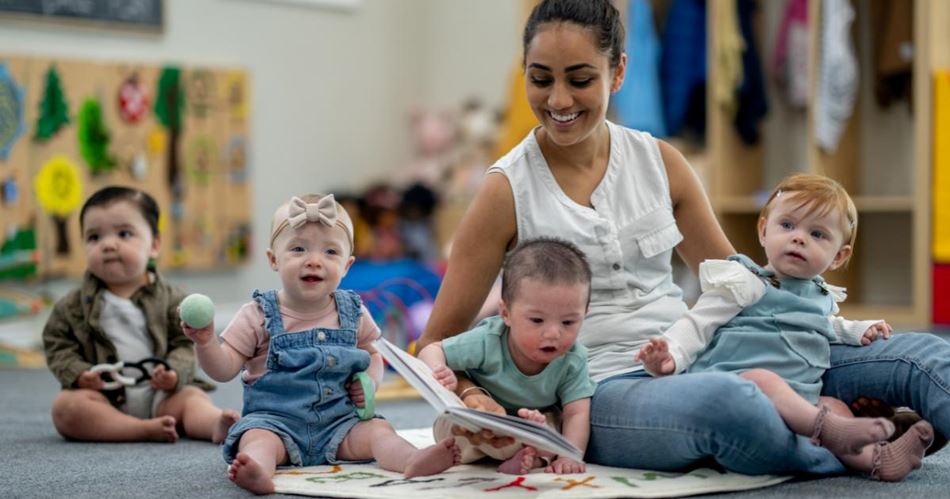
- Enhances brain development during critical growth stages
- Encourages social and emotional learning
- Builds early literacy and numeracy skills
- Promotes independence and confidence
- Reduces future learning gaps
An early childhood educator ensures that these benefits are delivered in a safe, supportive, and stimulating environment.
Roles and Responsibilities of an Early Childhood Educator
The role of an early childhood educator goes beyond basic teaching. It involves a combination of caregiving, mentoring, and instructional planning.
Core Responsibilities
- Planning and implementing age-appropriate lesson plans
- Encouraging learning through play-based activities
- Observing and assessing children’s development
- Supporting emotional and social growth
- Creating a safe and inclusive classroom environment
- Communicating with parents and caregivers
- Managing classroom behavior positively
- Maintaining records and progress reports
Each responsibility contributes to a child’s holistic development and overall well-being.
Essential Skills for an Early Childhood Educator

To be effective, early childhood educators must possess a unique blend of personal and professional skills.
Key Skills Required
- Patience and empathy: Understanding young children’s needs
- Communication skills: Engaging with children and parents clearly
- Creativity: Designing fun and educational activities
- Observation skills: Identifying developmental milestones
- Problem-solving: Handling classroom challenges calmly
- Organization: Managing schedules, lesson plans, and materials
These skills help educators create meaningful learning experiences for children.
Educational Requirements and Qualifications

The qualifications required to become an early childhood educator vary by country and institution. However, most roles require formal education and training.
Common Qualifications
- Diploma or certificate in Early Childhood Education
- Bachelor’s degree in Early Childhood Development or Education
- Teaching license or certification (where required)
- CPR and first aid certification
Continuous professional development is also encouraged to stay updated with modern teaching methods and child psychology.
Career Opportunities for Early Childhood Educators

A career as an early childhood educator offers diverse opportunities and long-term growth.
Potential Career Paths
- Preschool teacher
- Daycare center educator
- Kindergarten teacher
- Early learning coordinator
- Childcare center director
- Special needs educator
- Curriculum developer
- Educational consultant
With experience and further education, ECEs can move into leadership, training, or policy-related roles.
Work Environment and Daily Routine
Early childhood educators usually work in lively, interactive environments filled with energy and creativity. A typical day includes teaching sessions, playtime supervision, storytelling, meals, and rest periods.
While the job is rewarding, it can also be physically and emotionally demanding. Educators must remain attentive, adaptable, and enthusiastic throughout the day.
Challenges Faced by Early Childhood Educators

Despite its rewards, the profession comes with challenges.
Common Challenges
- Managing diverse learning needs
- Handling behavioral issues
- Balancing administrative tasks with teaching
- Maintaining patience during stressful situations
- Working with limited resources
However, many educators find that the joy of positively impacting young lives outweighs these challenges.
Why Choose a Career as an Early Childhood Educator?
Becoming an early childhood educator is more than just a job—it is a calling.
Reasons to Choose This Career
- Opportunity to shape future generations
- High emotional and personal fulfillment
- Growing demand for qualified educators
- Diverse career paths
- Meaningful daily interactions
For individuals passionate about teaching, caregiving, and child development, this career offers lasting satisfaction.
Future of Early Childhood Education

The future of early childhood education looks promising as awareness of its importance continues to grow. Governments and educational institutions are investing more in early learning programs, teacher training, and inclusive education models.
Technology, innovative teaching strategies, and research-based practices are also transforming how early childhood educators support learning and development.
FAQs About Early Childhood Educator
1. What does an early childhood educator do?
An early childhood educator supports the learning and development of young children through structured lessons, play-based activities, and emotional guidance.
2. What age group do early childhood educators work with?
They typically work with children from birth to eight years old, depending on the educational setting.
3. What qualifications are needed to become an early childhood educator?
Most positions require a diploma or degree in early childhood education along with relevant certifications.
4. Is early childhood education a good career choice?
Yes, it is a rewarding career offering personal fulfillment, job stability, and opportunities for growth.
5. What skills are important for an early childhood educator?
Key skills include patience, communication, creativity, organization, and empathy.
6. Where can early childhood educators work?
They can work in preschools, daycare centers, kindergartens, early learning centers, and private childcare settings.
7. What are the challenges of being an early childhood educator?
Challenges include managing behavior, meeting diverse learning needs, and balancing teaching with administrative duties.
8. What is the future scope of early childhood education?
The field is expanding with increased demand for qualified educators and improved educational frameworks worldwide.
Conclusion
An nddailyupdates Early Childhood Educator plays a vital role in shaping the emotional, intellectual, and social foundation of young children. Through dedication, creativity, and compassion, these professionals influence lives in profound and lasting ways. As the demand for quality early education continues to rise, the importance of skilled and passionate early childhood educators cannot be overstated.
Whether you are aspiring to enter this field or simply seeking knowledge, understanding the role of an early childhood educator highlights the true value of early learning in building a better future.
 nddailyupdates.news.blog