
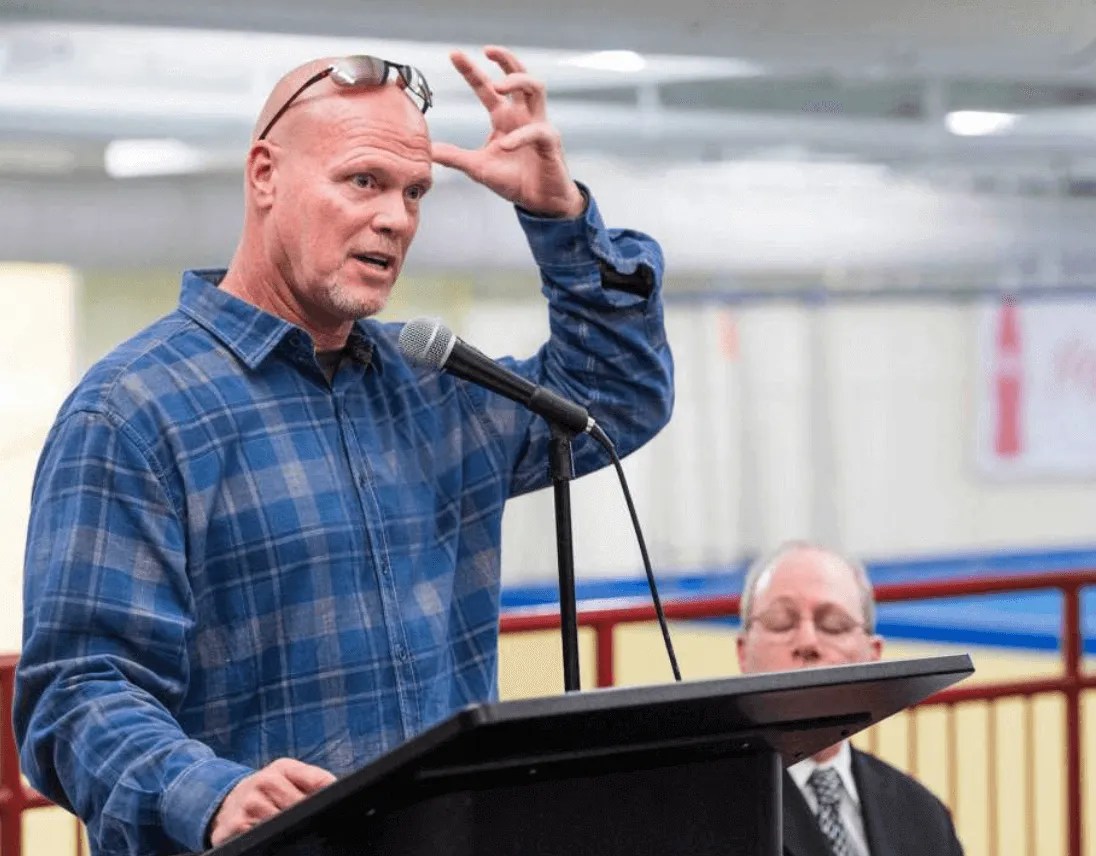
Former Chicago Bears quarterback Jim McMahon, one of the most recognizable figures of the NFL’s tough, hard-hitting era, has spoken openly about his ongoing battle with dementia. Known for leading the Bears to a historic Super Bowl victory and for his fearless playing style, McMahon’s story now highlights the long-term health challenges faced by many former nddailyupdates professional football players.
A Career Defined by Toughness

Jim McMahon built his NFL legacy during the 1980s, most notably as the starting quarterback of the legendary 1985 Chicago Bears. That team is still remembered as one of the greatest in football history. McMahon’s aggressive approach, combined with constant physical contact, made him a fan favorite—but also exposed him to repeated head injuries throughout his career.
Living With Dementia
In recent years, McMahon has shared that he has been diagnosed with dementia, a condition affecting memory, thinking, and daily functioning. He has spoken honestly about symptoms such as memory loss, confusion, and difficulty recalling certain moments from his playing days. His openness has brought renewed attention to the lasting effects of repeated concussions and head trauma in contact sports.
Raising Awareness About Player Health
By sharing his experience, McMahon hopes to raise awareness about brain health and the risks athletes face long after retirement. His story has added to the growing conversation around player safety, concussion protocols, and the responsibility of sports organizations to protect athletes during and after their careers.
Support and Advocacy
McMahon has emphasized the importance of medical support, family care, and mental health awareness. He has also supported research into brain injuries and neurodegenerative diseases, encouraging former players to seek medical evaluations if they notice symptoms. His advocacy resonates with many retired athletes who face similar challenges but may hesitate to speak publicly.
A Broader Impact on the NFL
McMahon’s disclosure comes at a time when the NFL continues to face scrutiny over head injuries and long-term neurological conditions. Stories like his reinforce the need for continued improvements in safety equipment, rule changes, and post-career healthcare for players.
Q1: Who is Jim McMahon?
Jim McMahon is a former professional American football quarterback best known for playing with the Chicago Bears. He was the starting quarterback for the legendary 1985 Bears team that won Super Bowl XX and is remembered for his toughness, confidence, and unique personality on and off the field.
Q2: What health condition has Jim McMahon spoken about?
Jim McMahon has publicly shared that he is living with dementia. The condition affects his memory, thinking, and daily cognitive function, and he has linked it to repeated head injuries sustained during his football career.
Q3: What is dementia?
Dementia is a general term used to describe a decline in mental ability severe enough to interfere with daily life. Symptoms may include memory loss, confusion, difficulty concentrating, mood changes, and problems with communication. It is often progressive and can worsen over time.
Q4: How is Jim McMahon’s dementia related to football?
McMahon has suggested that his condition is likely connected to the repeated concussions and head trauma he experienced while playing professional football. During his era, protective measures and concussion awareness were far less advanced than they are today.
Q5: What symptoms has Jim McMahon experienced?
Jim McMahon has spoken about experiencing memory loss, trouble recalling events from his playing career, and moments of confusion. These symptoms have impacted his daily life and highlighted the seriousness of long-term brain injuries.
Q6: Why is Jim McMahon speaking publicly about his condition?
McMahon has chosen to speak openly to raise awareness about brain health, dementia, and the long-term risks faced by professional athletes. By sharing his experience, he hopes to encourage other former players to seek medical help and to promote ongoing research into brain injuries.
Q7: Is Jim McMahon the only former NFL player with this condition?
No, many former NFL players have reported neurological conditions linked to repeated head trauma, including dementia and chronic traumatic encephalopathy (CTE). McMahon’s story is part of a broader issue affecting retired athletes from contact sports.
Q8: What impact has McMahon’s story had on the NFL?
His openness has added pressure on the NFL to continue improving player safety, concussion protocols, and long-term healthcare support for retired players. It has also strengthened public discussion about the responsibility of sports organizations toward athlete well-being.
Q9: What steps are being taken today to protect players?
Modern football includes improved helmet technology, stricter concussion protocols, rule changes to reduce dangerous hits, and increased medical monitoring. These measures aim to reduce the risk of long-term brain damage in current and future players.
Q10: Can dementia be prevented in athletes?
While dementia cannot always be prevented, risks can be reduced through early detection of concussions, proper recovery time, improved safety equipment, and ongoing medical monitoring. Awareness and education are critical in minimizing long-term damage.
Q11: How has McMahon’s family supported him?
Jim McMahon has acknowledged the importance of family support in managing his condition. Care from loved ones plays a major role in helping individuals with dementia cope emotionally and physically.
Q12: What message does Jim McMahon want to share?
McMahon’s message focuses on honesty, awareness, and health. He encourages athletes to take brain injuries seriously, seek medical evaluations early, and not ignore symptoms out of fear or pride.
Q13: Why is this topic important for fans and the public?
This story reminds fans that professional athletes face real health consequences beyond their playing careers. It encourages empathy, understanding, and support for retired players while promoting safer sports practices.
Q14: What can former athletes do if they notice symptoms?
Former athletes should consult medical professionals, undergo neurological evaluations, and seek support from healthcare providers and family. Early diagnosis can help manage symptoms and improve quality of life.
Q15: What is the broader lesson from Jim McMahon’s experience?
Jim McMahon’s experience highlights the long-term cost of repeated head injuries and the importance of prioritizing health over performance. His story serves as a powerful reminder that awareness, prevention, and care are essential in sports and beyond.
Conclusion
Jim McMahon’s decision to open up about living with dementia is both personal and powerful. As a Super Bowl champion and football icon, his voice carries weight in the ongoing discussion about athlete health and safety. His story serves as a reminder that behind the glory of professional sports are real human costs—and that awareness, research, and compassion are essential for protecting future generations of athletes.
 nddailyupdates.news.blog