
Istanbul, Turkey—October 28, 2025
The second round of critical peace talks between Pakistan and Afghanistan’s Taliban government in Istanbul has reportedly concluded without a formal agreement, as officials confirmed a persistent deadlock over Islamabad’s core demands for action against cross-border militants.
The multi-day negotiations, hosted by Turkey and facilitated by Qatar, were intended to build upon a ceasefire agreed in Doha earlier this month, following the deadliest border clashes between the two nations since the Taliban’s 2021 takeover.
Key Point of Contention: Counter-Terrorism
The primary stumbling block remains Pakistan’s insistence on concrete, verifiable action by the Afghan Taliban regime against the Tehreek-i-Taliban Pakistan (TTP) and other militant groups operating from Afghan soil.
- Pakistan’s Position: Official sources in Islamabad described their demands as “clear, evidence-based, and solution-oriented,” reportedly sharing photographic and documentary evidence of militant presence and activities. Pakistani officials have firmly stated that the “patronage of terrorists is unacceptable” and warned that any compromise on its core security concerns is impossible.
- Afghan Taliban’s Stance: The Taliban delegation was largely characterized by Pakistani officials as “unwilling to cooperate or acknowledge ground realities,” with their responses being described as “illogical and detached.” Despite hours of discussion, the Afghan delegation reportedly refused to provide written commitments to eliminate militant safe havens. Afghan state media, however, stated that a “broad consensus” was reached, although no final deal was announced.
Mediation Efforts and Border Tensions
The talks, which extended into a third day, were mediated by senior Turkish and Qatari diplomats who have been working to keep both sides engaged and prevent a complete breakdown in communication.
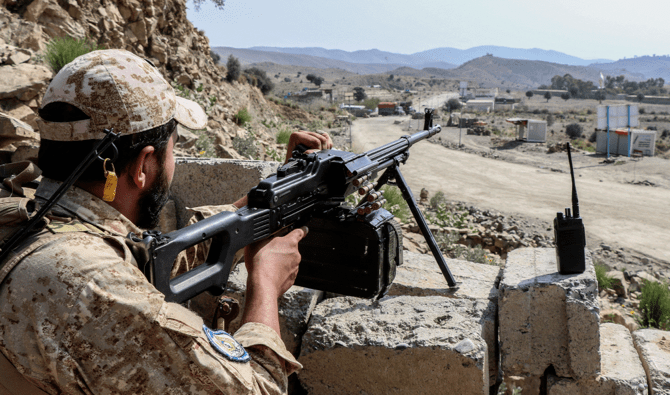
The urgency of the talks was underscored by the continued high tensions along the Durand Line border. Even as delegates met in Istanbul, the Pakistani military reported new cross-border infiltration attempts and clashes in which casualties were reported on both sides, which Islamabad stated “casts doubts on the intentions of the Interim Afghan government.”
Warning of Escalation
The failure to secure a long-term agreement raises fears of renewed hostilities. Prior to the Istanbul talks, Pakistan’s Defence Minister Khawaja Asif warned that failure to reach an accord could lead to an “open war.” Furthermore, the closure of key border crossings due to the security situation continues to halt trade, affecting hundreds of stranded trucks and impacting regional commerce.
While the negotiations have ended for now without a final peace deal, diplomatic sources suggest that backchannel communications and mediation efforts by Turkey and Qatar are expected to continue in an effort to prevent an escalation of the security crisis.
Would you like me to search for any official statements from the Turkish or Qatari mediators regarding the conclusion of these talks?
 nddailyupdates.news.blog