
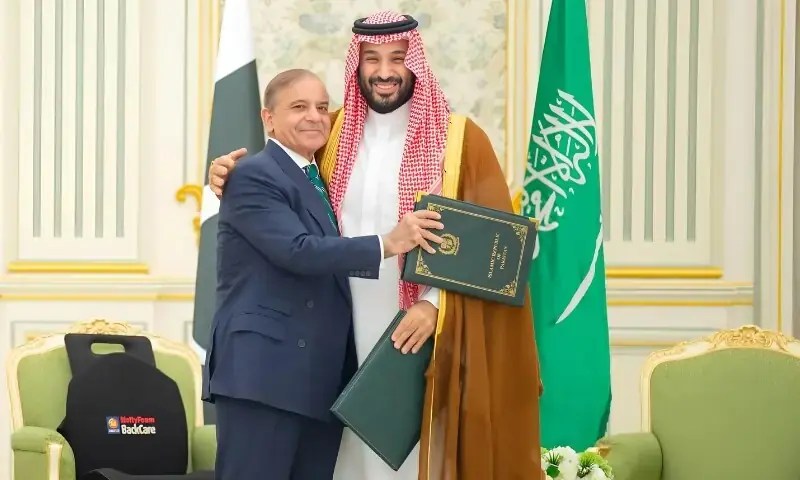
Islamabad: Prime Minister Shehbaz Sharif is set to lead a high-level delegation to Riyadh, Saudi Arabia, from October 27 to 29, to participate in the Ninth Edition of the Future Investment Initiative (FII9) and hold crucial bilateral investment talks.
The visit, undertaken at the invitation of Crown Prince and Prime Minister Mohammed bin Salman, underscores Pakistan’s renewed focus on economic diplomacy and strategic partnerships aimed at attracting foreign direct investment.
The delegation, which includes Deputy Prime Minister/Foreign Minister Senator Mohammad Ishaq Dar and other senior cabinet ministers, will attend the FII9 conference, themed “The Key to Prosperity: Unlocking New Frontiers of Growth.” The summit is expected to bring together global leaders, investors, and policymakers to discuss innovation, sustainability, economic inclusion, and geopolitical shifts.
Focus on Bilateral Cooperation
During his stay, Prime Minister Sharif is scheduled to engage with the Saudi leadership to explore avenues for enhanced cooperation across several key sectors, including:
- Trade and Investment: Accelerating the finalization and implementation of existing investment projects and exploring new opportunities.
- Energy: Discussing collaborations in the energy sector.
- Human Resources: Enhancing cooperation in manpower and skilled labor provision.
Discussions are also slated to cover regional and global issues of mutual interest and concern to both nations. The Prime Minister’s office stated that these exchanges will aim to highlight Pakistan’s investment potential and its commitment to sustainable development initiatives.
Building on Recent Momentum
The visit follows a period of heightened economic and strategic engagement between Pakistan and Saudi Arabia. Last month, the two countries signed a landmark ‘Strategic Mutual Defence Agreement,’ pledging joint action against aggression. In 2024, the nations signed 34 Memorandums of Understanding (MoUs) worth a reported $2.8 billion across multiple sectors, building on an earlier $2.2 billion commitment.
Pakistan is keen to leverage the platform to secure significant investments, particularly under its Special Investment Facilitation Council (SIFC) framework, in priority areas such as mining, agriculture, energy, and information technology. The ongoing efforts reflect the government’s push for “mutually beneficial partnerships” to stabilize and grow the national economy.
 nddailyupdates.news.blog