
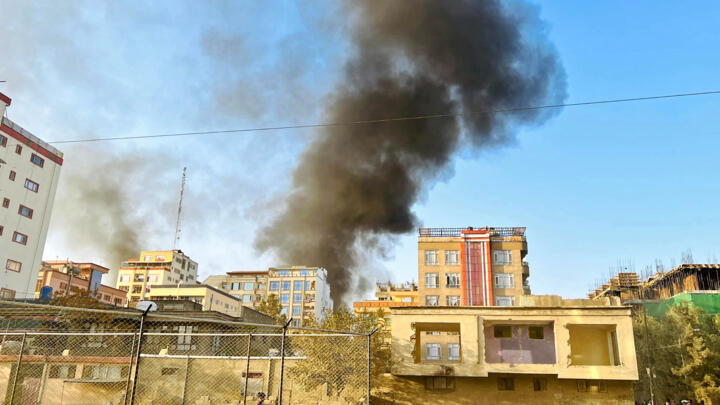
ISLAMABAD/KABUL, October 15, 2025 — Pakistan and the Taliban-led government in Afghanistan have agreed to a temporary 48-hour ceasefire, which took effect on Wednesday evening, following a week of intense cross-border hostilities that left dozens of people killed on both sides.
The agreement was announced by Pakistan’s Foreign Office (FO) in Islamabad, which stated that the truce was decided “with the mutual consent of both parties” and was initiated “at the request of the Taliban regime.” The Pakistani statement emphasized that the primary purpose of the ceasefire is to allow for dialogue.
“During this period, both sides will make sincere efforts to find a positive solution to this complex but solvable issue through constructive dialogue,” the FO statement read.
However, the Afghan side offered a contrasting account of who initiated the truce. Zabihullah Mujahid, the chief spokesperson for the Afghan Taliban, posted on social media that the ceasefire would take effect “at the request and insistence of the Pakistani side,” and he directed all Afghan forces to respect the halt in hostilities unless aggression occurs.
The truce comes after a significant escalation in violence, which saw deadly border skirmishes and reports of precision strikes conducted by the Pakistani military inside Afghanistan’s Kandahar province and the capital, Kabul, earlier on Wednesday.
Background to the Escalation
The recent flare-up marks one of the deadliest periods of cross-border fighting since the Taliban returned to power in Kabul in 2021.
- Border Skirmishes: The latest round of clashes intensified over the weekend and continued into Wednesday, primarily around the border crossing points of Spin Boldak (Afghanistan) and Chaman (Pakistan). Both sides have accused the other of initiating the fighting.
- Precision Strikes: Hours before the ceasefire announcement, Pakistan’s state media reported that the Pakistani armed forces had conducted “precision strikes” targeting key hideouts of Afghan Taliban battalions and militants of the banned Tehreek-e-Taliban Pakistan (TTP) inside Afghan territory, specifically in Kandahar and Kabul.
- Civilian Casualties: Afghan officials claimed the Pakistani strikes hit civilian areas, resulting in the deaths of more than a dozen civilians and injuring over a hundred, including women and children, in Kandahar province. Pakistan denies targeting civilians.
- The TTP Issue: Tensions have been consistently high due to Islamabad’s repeated accusations that the Afghan Taliban is sheltering the TTP, a group responsible for a surge in militant attacks against Pakistani security forces. The Kabul administration has consistently denied this charge, insisting its territory is not used for attacks against its neighbors.
The temporary ceasefire has been welcomed as a necessary pause to the hostilities, which had raised fears of a wider conflict between the two neighbors. The current diplomatic challenge remains the successful utilization of the 48-hour window to establish a more permanent path toward de-escalation and resolution of the underlying security issues.
 nddailyupdates.news.blog