
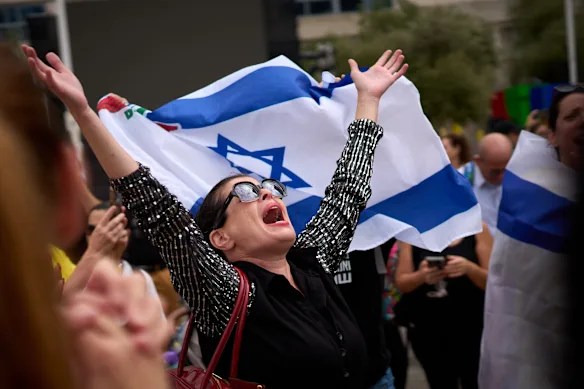
JERUSALEM, October 10, 2025 — After intense, multi-party negotiations, the Israeli Cabinet early Friday approved President Donald Trump’s plan for an immediate ceasefire in the Gaza Strip and the release of all remaining hostages held by Hamas. The vote marks a pivotal moment in the two-year-long war, bringing the region closer to a halt in hostilities than at any point in months.
The announcement came after both Israeli and Hamas officials, through mediators, accepted the core elements of the U.S.-brokered proposal.
The Approved Deal: Ceasefire and Hostage Exchange
A brief statement from Prime Minister Benjamin Netanyahu’s office confirmed the Cabinet’s approval of the “outline” of a deal to free the hostages. An Israeli official, speaking anonymously, stated the ceasefire is set to begin immediately following the government’s formal approval.
Key elements of the initial phase, which has been accepted by both sides, include:
- Hostage Release: Hamas is expected to release all remaining Israeli hostages, both living and deceased, over the coming days. Around 48 hostages are believed to be in captivity, with approximately 20 thought to be alive.
- Prisoner Exchange: In exchange for the hostages, Israel is set to release a significant number of Palestinian prisoners, including those serving life sentences and others detained since the war began in October 2023. Hamas has specified that around 2,000 Palestinian prisoners will be freed.
- Israeli Withdrawal: The Israeli military is required to begin a phased withdrawal from Gaza to an agreed-upon line within 24 hours of the deal’s approval.
- Humanitarian Aid: The deal will ensure the immediate, unimpeded entry of humanitarian supplies and essential commercial materials into the devastated Gaza Strip, with five border crossings, including the Rafah crossing with Egypt, set to reopen.
- Ceasefire Monitoring: The United States is reportedly deploying approximately 200 troops to Israel as part of a broader international team to establish a Civil-Military Coordination Center and monitor the implementation of the ceasefire.
Trump Hails “Historic and Unprecedented” Breakthrough
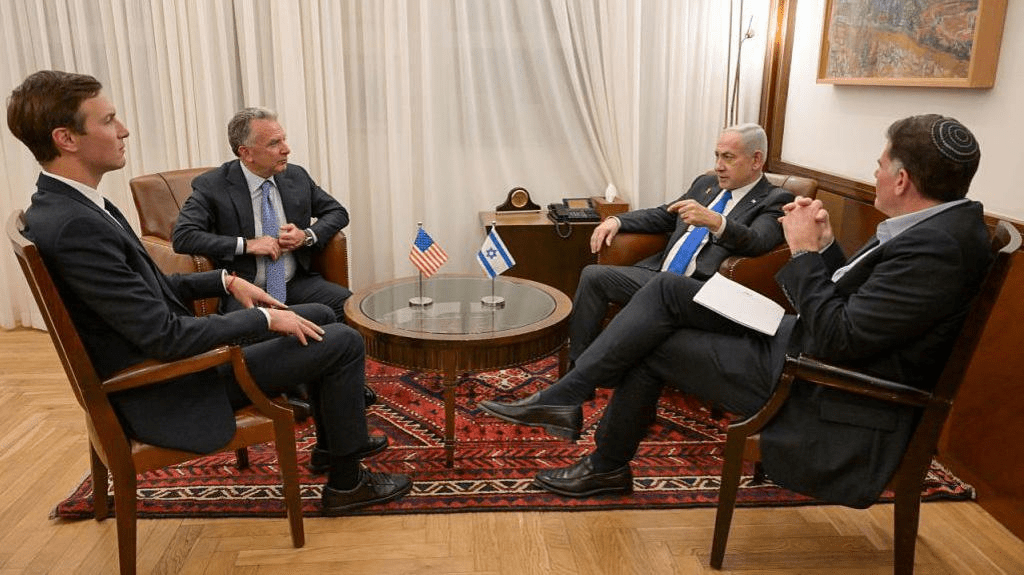
President Trump, who had been actively pushing the multi-phase, 20-point peace plan alongside his envoys and Arab and Muslim allies, celebrated the agreement on social media.
“I am very proud to announce that Israel and Hamas have both signed off on the first Phase of our Peace Plan,” the President wrote. “This means that ALL of the Hostages will be released very soon, and Israel will withdraw their Troops to an agreed upon line as the first steps toward a Strong, Durable, and Everlasting Peace.”
Hamas, which also confirmed the agreement, called on President Trump and guarantor states to ensure that Israel fully implements the terms of the deal, which it said includes a full Israeli withdrawal from the territory.
Relief and Uncertainty
The news was met with tears of joy and celebration in Tel Aviv by families of the remaining hostages, many of whom have tirelessly campaigned for their loved ones’ release for two years. In Gaza, residents expressed cautious relief and a mixture of happiness and profound grief over the war’s devastation, which has killed tens of thousands of Palestinians.
While the agreement brings a crucial pause to the fighting, the long-term, more contentious elements of President Trump’s broader plan remain unresolved. These questions include the future governance of Gaza, the disarmament of Hamas, and the ultimate path toward Palestinian statehood, a concept Prime Minister Netanyahu continues to reject.
The agreement, expected to be formally signed in Egypt, is viewed globally as the most significant diplomatic breakthrough since the start of the conflict, offering the first real hope for an end to the two-year war.
 nddailyupdates.news.blog